










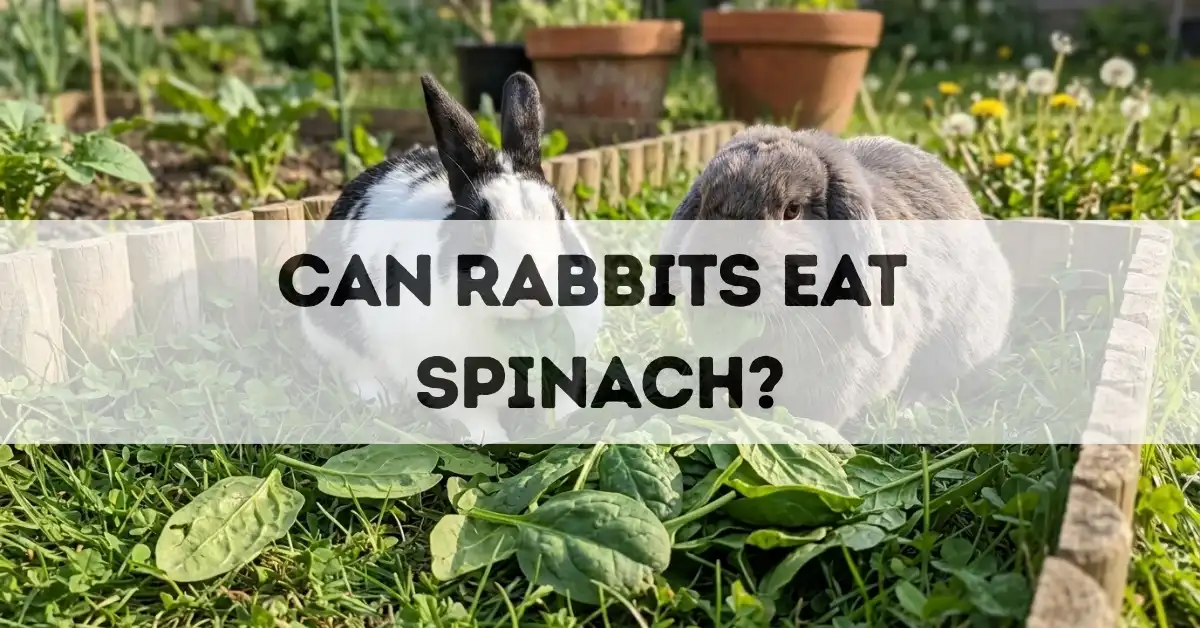
If you are a rabbit owner, you probably ask yourself many food questions. One very common question is, can rabbits eat spinach? Spinach looks healthy, green, and full of nutrients, so it feels like a good choice. But rabbits have sensitive digestive systems, and not every healthy human food is safe for them. The short answer is yes, rabbits can eat spinach, but only in small amounts and not every day.
Many rabbit parents worry about kidney stones, bladder sludge, or too much calcium. Others hear that spinach contains oxalic acid and feel confused. This complete guide will explain everything in simple language. By the end, you will know exactly how much spinach is safe, how often to feed it, and when to avoid it.
Can Rabbits Eat Spinach? Quick Answer
Yes, rabbits can eat spinach in moderation. Spinach should be limited to 1 to 2 small leaves, 2 to 3 times per week. It should always be mixed with other leafy greens and never replace hay. Feeding too much spinach can increase the risk of urinary problems due to its oxalic acid and calcium content.
Understanding Rabbit Nutrition First
Before deciding if spinach is safe for rabbits, you need to understand what rabbits truly need to eat every day. Rabbits are strict herbivores. This means they only eat plant-based foods. Their digestive system is designed to process large amounts of fiber.
A healthy rabbit diet should look like this:
- 80 to 90 percent high quality hay
- A small measured portion of pellets
- Fresh leafy greens daily
- Occasional healthy treats
Hay is the most important food. It keeps their teeth worn down and their digestion moving properly. Vegetables like spinach are only a supplement, not the main meal.
If hay is the foundation, vegetables are the side dish. That is why portion control matters so much.
Nutritional Value of Spinach for Rabbits
Spinach is often called a superfood for humans. It contains many vitamins and minerals. Some of these nutrients can benefit rabbits too, but only when fed in safe amounts.
Here is a clear breakdown.
| Nutrient | Benefit for Rabbits | Possible Concern |
| Vitamin A | Supports vision and immune health | Safe in moderation |
| Vitamin K | Helps blood clot properly | Safe |
| Calcium | Supports bones and teeth | Too much may cause bladder sludge |
| Iron | Supports healthy blood | Rarely an issue |
| Fiber | Helps digestion | Not enough to replace hay |
| Oxalic Acid | Natural plant compound | Can bind calcium and form crystals if overfed |
Spinach does provide helpful nutrients. However, it also contains compounds that require caution. The biggest concern is oxalic acid.
What Is Oxalic Acid and Why Does It Matter?
Oxalic acid is a natural compound found in many plants. Spinach contains a high amount compared to many other leafy greens. When rabbits eat too much oxalic acid, it binds to calcium inside their body. This forms tiny crystals called calcium oxalate.
Over time, these crystals can build up in the bladder or kidneys. This may lead to:
- Bladder sludge
- Kidney stones
- Pain while urinating
- Urinary infections
Rabbits already process calcium differently than humans. They absorb most of the calcium they eat and remove extra through urine. That is why high calcium foods combined with oxalates can sometimes create problems.
The good news is that small amounts of spinach do not usually cause harm in healthy rabbits.
Benefits of Feeding Spinach to Rabbits
When fed correctly, spinach can offer several benefits.
1. Supports Immune Health
Spinach contains vitamin A and antioxidants. These help support the immune system. A strong immune system helps rabbits fight infections and stay active.
2. Provides Dietary Variety
Rabbits enjoy variety. Offering different greens keeps meals interesting and mentally stimulating. This prevents boredom and encourages natural foraging behavior.
3. Adds Hydration
Spinach contains a high water content. While it does not replace drinking water, it helps add moisture to the diet. This can support urinary health when balanced properly.
4. Adds Micronutrients
Small amounts of spinach add beneficial micronutrients. These nutrients support skin, fur, and general well-being. However, they should never replace hay.
Risks of Feeding Too Much Spinach
Spinach is safe in moderation, but problems happen when owners overfeed it.
1. Bladder Sludge
Bladder sludge looks like thick, creamy, or chalky urine. It happens when too much calcium builds up in the bladder. Rabbits with sludge may sit in the litter box longer or seem uncomfortable.
2. Kidney Stones
Excess oxalic acid combined with calcium can form stones. Stones can cause pain, blood in urine, and serious health problems.
3. Digestive Upset
Too much spinach can cause soft stools or diarrhea. Rabbits need high fiber, and spinach does not provide enough fiber to replace hay.
4. Mineral Imbalance
Feeding one vegetable too often can cause imbalance. Variety prevents this issue.
How Much Spinach Can Rabbits Eat?
Moderation is the key to safety.
For an average adult rabbit weighing 5 to 7 pounds:
- 1 to 2 small spinach leaves per serving
- 2 to 3 times per week maximum
- Mixed with other leafy greens
Spinach should only make up about 10 to 15 percent of the vegetable portion for that day.
Never feed spinach daily.
Step by Step Guide to Safely Feeding Spinach
Step 1: Choose Fresh Spinach
Pick fresh, crisp leaves. Avoid wilted or slimy spinach. Organic spinach is preferred to reduce pesticide exposure.
Step 2: Wash Thoroughly
Rinse each leaf under running water. This removes dirt and chemical residue.
Step 3: Start Small
Give half of a small leaf the first time. Watch your rabbit for 24 hours.
Step 4: Monitor Droppings
Healthy droppings should be round and firm. Soft stool means spinach may not suit your rabbit.
Step 5: Mix With Other Greens
Combine spinach with romaine lettuce, green leaf lettuce, or herbs. Never serve spinach alone.
Step 6: Limit Frequency
Offer spinach only 2 to 3 times per week.
Step 7: Provide Unlimited Hay
Hay reduces the risk of calcium buildup and supports digestion.
Best Leafy Greens to Rotate With Spinach
Variety keeps your rabbit healthy and prevents overexposure to oxalates.
| High Oxalate Greens, Limit | Feed 2 to 3 Times Weekly | Lower Oxalate Greens, Safer More Often |
| Spinach | Yes | Romaine Lettuce |
| Swiss Chard | Yes | Green Leaf Lettuce |
| Parsley | Yes | Butter Lettuce |
| Beet Greens | Yes | Cilantro |
| Kale | Yes | Basil |
Lower oxalate greens can be fed more regularly. High oxalate greens should always be rotated.
Can Baby Rabbits Eat Spinach?
Baby rabbits under 12 weeks old should not eat spinach. Their digestive system is still developing. They should eat mother’s milk if available, unlimited hay, and a small amount of pellets.
After 12 weeks, vegetables can be introduced slowly. Start with low oxalate greens first. Spinach should be introduced later and in very small amounts.
Can Senior Rabbits Eat Spinach?
Senior rabbits can eat spinach in moderation if they are healthy. However, older rabbits are more prone to kidney and bladder issues. Monitor urine carefully and consult your veterinarian if your rabbit has a history of urinary problems.
Signs Spinach Is Causing Problems
Watch for these warning signs:
- Thick or chalky urine
- Gritty sediment in litter box
- Straining while urinating
- Blood in urine
- Soft stool
- Loss of appetite
- Lethargy
If you notice these symptoms, remove spinach from the diet and contact a rabbit-savvy veterinarian.
Can Rabbits Eat Spinach Every Day?
No, rabbits should not eat spinach daily. Daily feeding increases oxalate exposure. This raises the risk of urinary issues over time.
Is Raw or Cooked Spinach Better?
Rabbits should only eat raw spinach. Cooked spinach becomes soft and loses nutrients. Rabbits need raw vegetables to maintain proper digestion and dental wear.
Can Rabbits Eat Spinach Stems?
Yes, spinach stems are safe. Some rabbits enjoy the crunchy texture. The same portion rules apply to stems as leaves.
Frequently Asked Questions
1. Is spinach safe for rabbits?
Yes, spinach is safe when fed in small amounts. It should be part of a varied diet and not given daily.
2. How much spinach can rabbits eat?
Rabbits can eat 1 to 2 small leaves per serving. Limit to 2 to 3 times per week.
3. Can spinach cause kidney stones?
Yes, overfeeding spinach may increase the risk due to oxalic acid. Moderation prevents this issue.
4. Can baby rabbits eat spinach?
No, rabbits under 12 weeks should not eat vegetables. Introduce slowly after that age.
5. Is spinach healthier than lettuce?
Spinach contains more vitamins. However, lettuce is safer to feed more often.
6. Can rabbits eat frozen spinach?
Frozen spinach is not recommended. It becomes mushy and may upset digestion.
7. What if my rabbit eats too much spinach?
Offer unlimited hay and fresh water. Monitor for soft stools or urinary changes.
8. Can rabbits eat spinach from the garden?
Yes, if pesticide free. Wash thoroughly before feeding.
9. Can rabbits eat spinach and kale together?
It is better to rotate them. Both contain oxalates and calcium.
10. Does spinach help digestion?
Spinach adds some fiber, but hay is the main digestive support.
11. Can spinach cause diarrhea?
Too much spinach may cause soft stools. Introduce slowly and monitor.
12. Do rabbits like spinach?
Many rabbits enjoy spinach. Some prefer milder greens.
13. Can spinach cause bladder sludge?
Yes, if fed excessively. Limit intake to reduce risk.
14. Should rabbits with kidney disease eat spinach?
No, rabbits with kidney issues should avoid high oxalate foods. Always consult a veterinarian.
15. Is organic spinach better?
Organic spinach reduces pesticide exposure. It is a safer choice when available.
Final Thoughts: Should You Feed Spinach to Your Rabbit?
So, can rabbits eat spinach? Yes, they can. Spinach is not toxic or dangerous when fed properly. The key is moderation, variety, and observation.
Remember these simple rules:
- Limit to 1 to 2 small leaves
- Feed only 2 to 3 times per week
- Always mix with other greens
- Provide unlimited hay
- Watch for urinary changes
Every rabbit is different. Some tolerate spinach very well. Others may be more sensitive. Pay attention to your rabbit’s behavior and litter box habits.
When fed responsibly, spinach can be a healthy, enriching addition to your rabbit’s balanced diet. The goal is not to avoid spinach completely, but to use it wisely. With proper care, your rabbit can enjoy a long, healthy, and happy life with safe variety in every bowl.