






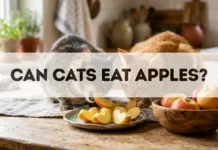


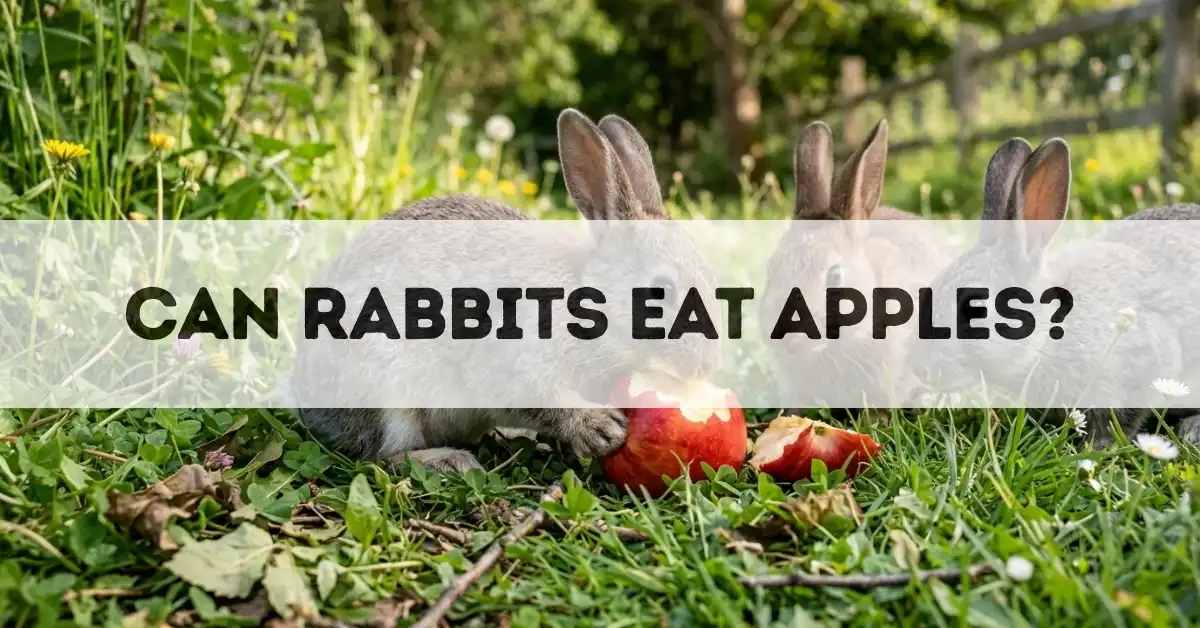
If you are eating a crunchy, sweet apple and your rabbit is staring at you like it wants a bite, it is normal to wonder: can rabbits eat apples?
Yes, rabbits can eat apples. Apple flesh can be a safe treat for most healthy adult rabbits when it is served the right way and only in a tiny amount.
Apples are not a main food for rabbits. Apples are more like dessert. They taste great, but they have a lot of natural sugar compared to what rabbits should eat every day. Too much sugar can upset a rabbit’s stomach and can make a rabbit stop eating hay, which is very important for health.
This guide explains everything in a simple, clear way, including:
- The safest parts of an apple to feed
- What parts to avoid and why
- How much apple is safe
- How often rabbits can have apple
- How to prepare apple step by step
- What to do if your rabbit eats too much, or eats seeds by mistake
- Extra questions like green apples, red apples, dried apples, juice, and baby rabbits
Quick answer
Yes, rabbits can eat fresh apple flesh as a small treat. Wash the apple, remove the core and all seeds, and cut a tiny piece. For most adult rabbits, offer about 1 to 2 thumbnail-size pieces 1 to 3 times per week. Too much apple can cause soft stool, messy poop, less hay eating, and stomach problems.
Are apples safe for rabbits?
Apples can be safe for rabbits in small amounts. The part that is usually safe is the fresh apple flesh, and the peel is usually safe too when washed well.
The unsafe parts and unsafe forms are important to know:
- Do not feed apple seeds
- Do not feed the apple core (it is too close to seeds and can be a choking risk)
- Do not feed apple juice (too much sugar, no fiber)
- Do not feed sweetened applesauce (often added sugar and too easy to overeat)
- Do not feed apple pie filling or any cooked apple dessert (sugar and additives)
- Be careful with dried apples (sugar is very concentrated)
If you remember only one thing, remember this: Apple is a treat, not a daily food.
Why apples are only a treat for rabbits
Rabbits have a very sensitive digestive system. Their bodies are built to eat lots of fiber all day long. Fiber mostly comes from grass hay, like timothy hay, orchard grass hay, or meadow hay.
A healthy daily diet for most pet rabbits looks like this:
- Unlimited grass hay (this is the main food)
- Leafy greens (the amount depends on your rabbit and your vet’s advice)
- A measured amount of pellets (often optional for some adult rabbits, depending on diet and health)
- Tiny treats (like fruit), only sometimes
Why hay matters so much
Hay does two big jobs:
- It keeps the gut moving. Rabbit digestion works best when food keeps moving through.
- It wears down teeth. Rabbit teeth grow continuously. Chewing hay helps keep teeth from getting too long.
Why sugar can cause problems
Apples contain natural sugar. Natural sugar is still sugar. If a rabbit eats too much sugary food, it can:
- Upset the balance inside the gut
- Cause soft stool or messy poop
- Cause extra cecotropes (soft poop rabbits usually eat, but they may leave them behind)
- Make your rabbit feel gassy or uncomfortable
- Make your rabbit picky, so it eats less hay
- Lead to weight gain over time
So apple can be fine, but it must stay in the “tiny treat” category.
What nutrition is in an apple (and why it matters for rabbits)
Apples are mostly:
- Water
- Carbohydrates, including natural sugars
- A small amount of fiber (more if the peel is included)
- Small amounts of vitamins and plant compounds
To humans, apples can feel like a healthy snack. For rabbits, apples are mostly a sweet treat. A rabbit does not need fruit vitamins the way humans do. Rabbits mainly need fiber, and apples are not a strong fiber food compared to hay.
A helpful way to think about it is this:
- Hay is the daily “main meal.”
- Apples are a tiny “special snack.”
Safe vs unsafe apple parts
Here is an easy way to remember what is okay and what is not.
| Apple part or product | Safe for rabbits? | Why |
| Fresh apple flesh | Yes, tiny treat | Sweet, low fiber compared to hay |
| Apple peel (skin) | Usually yes | Wash well, introduce slowly if sensitive |
| Apple core | Best to avoid | Choking risk, seeds are nearby |
| Apple seeds | No | Can release toxins in the body, not worth any risk |
| Apple stem | Best to avoid | Choking risk, no benefit |
| Apple juice | No | Sugar with almost no fiber |
| Applesauce | Usually no | Often sweetened, easy to overeat, low fiber |
| Dried apple | Not recommended | Very concentrated sugar, often additives |
| Plain cooked apple | Not ideal | Easy to overeat, often part of sugary recipes |
Which parts of the apple can rabbits eat?
1) Apple flesh (the safest part)
Apple flesh is the main safe part. Offer it:
- Raw
- Washed
- Cut into tiny pieces
Most rabbits love apple, so they may try to eat it fast. Small pieces are safer.
2) Apple peel (skin)
For most rabbits, the peel is fine and can add a tiny bit more fiber than the flesh alone.
Important tips:
- Wash the apple very well
- Start with a small piece if your rabbit is sensitive
- If you see soft stool after peel, stop and try a smaller amount later, or stick to peeled apple
3) Apple core (best avoided)
Even if the core still has some flesh on it, the core is risky:
- It is close to seeds
- It is tougher and can be a choking hazard
- It is easy to miss a seed
The safest habit is simple: cut away the core and throw it out.
4) Apple seeds (do not feed)
Do not feed apple seeds to rabbits. Apple seeds contain a substance that can turn into a toxin in the body when digested. A rabbit is small, so even a small amount is not worth the risk.
Also, seeds are easy to avoid. There is no good reason to include them.
Rule: Remove all seeds every time.
5) Apple stem (avoid)
The stem does not add any nutrition and can be a choking risk. Skip it.
6) Apple leaves, blossoms, and branches (use caution)
Some owners who have apple trees offer apple leaves or apple branches for chewing. This can be safe only if you are very careful.
If you consider this:
- Only use leaves and branches from a tree you can fully trust
- Make sure it is not sprayed with pesticides, herbicides, or chemicals
- Do not take branches from roadside trees, because of pollution
- Introduce slowly and watch your rabbit’s poop
If you are not 100 percent sure, it is safest to skip leaves and blossoms and just feed a tiny piece of apple flesh instead.
How much apple can a rabbit eat? (safe serving size)
This is the most important part of the whole article. Apple is safe or unsafe mostly because of portion size and how often you feed it.
Simple serving size for most adult rabbits
A safe starting point for an average adult rabbit is:
- 1 to 2 thumbnail-size pieces per serving
(Think: very small bites, not big chunks.) - Or about 1 to 2 teaspoons total of chopped apple
If you want a very easy visual:
A total amount about the size of one grape is plenty for many rabbits.
Serving size by rabbit size (easy guide)
These are general guidelines. Every rabbit is different.
- Dwarf rabbits (very small): 1 small thumbnail-size piece
- Medium rabbits: 1 to 2 thumbnail-size pieces
- Large rabbits: 2 small pieces, still a treat, not a bowl
Even for a large rabbit, apple should stay small. Large rabbits still have a rabbit gut, and rabbit guts do not like lots of sugar.
A simple treat rule that keeps rabbits healthy
Treats, including fruit, should be a very small part of a rabbit’s diet. Many rabbit owners aim for treats to be around 5 percent or less of what the rabbit eats.
That sounds technical, so here is the kid-simple version:
- Most of your rabbit’s food should be hay.
- Treats should be tiny and not every day.
When in doubt, feed less.
How often can rabbits eat apples?
A good schedule for many healthy adult rabbits is:
- 1 to 2 times per week is a great starting plan
- Up to 3 times per week only if your rabbit does well with fruit and eats lots of hay
If your rabbit gets fruit treats of other kinds, you must count them too. Apple plus banana plus berries still equals fruit sugar. You do not want fruit treats every day just because you rotate the type.
Example treat schedules (simple)
Here are examples that help people avoid overfeeding:
Example schedule A (very cautious, great for many rabbits)
- Wednesday: tiny apple piece
- Saturday: tiny apple piece (or another fruit)
Example schedule B (if your rabbit tolerates fruit well)
- Tuesday: tiny apple piece
- Thursday: tiny apple piece
- Sunday: tiny apple piece
Notice that even in schedule B, there are still plenty of days with no fruit.
When apples are a bad idea (or when you should ask a vet)
Even though apple can be safe, there are times when it is better to skip it.
Avoid apples or ask your rabbit-savvy vet first if your rabbit:
- Is under 12 weeks old
- Has a history of GI stasis (gut slowdown)
- Is overweight
- Has ongoing soft stool or a messy bottom
- Is not eating enough hay
- Has dental issues and already struggles to eat properly
- Has a medical condition where treats are restricted
Apple is optional. Your rabbit can live a happy life without apple.
How to introduce apples safely (step by step)
If your rabbit has never eaten apple before, do not start with a big piece. Rabbits can have sensitive stomachs, and sudden changes can cause trouble.
Use this slow method:
- Start with a tiny piece
Make it about the size of your fingernail. - Feed it after your rabbit has eaten some hay
This helps keep hay as the priority food. - Watch for 24 hours
Check:- Is your rabbit eating hay normally?
- Is your rabbit acting normal and comfortable?
- Is poop normal?
- Wait a few days, then offer another tiny piece
If everything stays normal, you can slowly work up to a normal treat portion.
The stop rule
If you see soft stool, messy poop, or your rabbit eats less hay, stop apple and all fruit for 1 to 2 weeks. Focus on hay and water.
If your rabbit stops eating, seems in pain, or makes very few poops, contact a rabbit-savvy vet quickly.
How to prepare apple for rabbits (the safest method)
Preparation matters. It prevents choking and prevents seed accidents.
Step 1: Choose a fresh apple
Any common apple type is fine, such as:
- Gala
- Fuji
- Honeycrisp
- Red Delicious
- Granny Smith
The type matters less than the portion size.
Do not use apples that are:
- Moldy
- Rotting
- Fermented-smelling
- Very bruised and leaking juice
Step 2: Wash the apple well
Wash under running water and rub the skin. This helps remove dirt and residue.
Even if you plan to peel the apple, wash it first. Your knife can carry residue from the skin to the flesh.
Step 3: Remove the core and all seeds
Cut the apple into slices, then cut away the center core area. Check for seeds and remove them all.
Do not think, “One seed is probably fine.” The safest plan is to remove all seeds every time.
Step 4: Cut into tiny pieces
Cut the safe apple flesh into very small pieces. This:
- Reduces choking risk
- Helps you control how much you feed
- Lets you use apple for training rewards without overfeeding
Step 5: Serve plain, raw, and simple
Serve apple:
- Plain
- Raw
- At room temperature
Do not add:
- Sugar
- Honey
- Cinnamon
- Peanut butter
- Yogurt drops
Many “rabbit treat” products are not healthy. Keep it simple and natural.
Can rabbits eat green apples?
Yes, rabbits can eat green apples like Granny Smith in the same way as other apples.
Some people think green apples have no sugar because they taste sour. They still have significant sugar for a rabbit. So the rules are the same:
- Remove seeds and core
- Feed a tiny amount
- Do not feed daily
Can rabbits eat red apples?
Yes, rabbits can eat red apples in tiny amounts too. Many red apples taste sweeter. Rabbits often love them.
Because they are sweet, owners can accidentally overfeed them. Keep the portion small.
Can baby rabbits eat apples?
For most baby rabbits, it is best to avoid apples and most fruits.
Baby rabbits have stomachs that are still developing. They need a steady, boring diet so their digestion can grow strong. Sugary foods can upset their gut more easily.
Simple guideline
- Under 12 weeks: avoid apples and fruit
- After 12 weeks: ask your vet or introduce very slowly and in tiny amounts, only if the rabbit is stable on hay and the right diet
If you adopted a young rabbit and you do not know the exact age, it is safer to skip apple for now.
Can rabbits eat dried apples?
Dried apples are usually not recommended for rabbits.
Here is why:
- Drying removes water and leaves sugar behind
- A small dried piece can contain a lot of sugar
- Many dried apple products have added sugar, oils, or preservatives
If you ever offer dried apple, it should be:
- Unsweetened
- No additives
- A very tiny piece
Even then, fresh apple is usually a safer choice.
A kid-simple way to think of it: dried fruit is like candy fruit.
Can rabbits drink apple juice?
No. Apple juice is not a good rabbit food.
Apple juice:
- Has lots of sugar
- Has almost no fiber
- Can upset a rabbit’s stomach quickly
Rabbits should drink water. If you want to give a treat, offer a tiny piece of fresh apple instead.
Can rabbits eat applesauce?
Usually no, especially not store-bought applesauce.
Applesauce often has:
- Added sugar
- A texture that is easy to overeat
- Less “chewing value” than fresh food
Rabbits need chewing and fiber. Fresh apple in a tiny piece is better than sauce.
Can rabbits eat cooked apples?
Plain cooked apple is not toxic, but it is not ideal.
Cooked apple is:
- Softer, so rabbits can eat too much too fast
- Often served in sweet recipes with sugar or spices
If you ever give cooked apple, it should be plain and tiny. Fresh raw apple is usually the best option.
Benefits of apples for rabbits (small, but real)
Apples are not needed in a rabbit diet, but they can have a few small benefits when fed correctly.
1) A fun, tasty reward
Many rabbits find apple very motivating. That can help with:
- Building trust
- Bonding
- Training (like coming when called)
2) Variety in tiny amounts
A tiny taste of something new can be enriching. It is like giving your rabbit a little change without changing the whole diet.
3) Hydration support (minor)
Apples contain water, but this is not a reason to feed apple often. Rabbits should get water from a bowl or bottle and from leafy greens. Apple is still a sugary treat.
Risks and side effects of feeding apples to rabbits
Apples are not poisonous in the flesh, but they can cause problems when rabbits eat too much, eat it too often, or eat unsafe parts like seeds.
1) Soft stool and messy poop
If your rabbit eats too much apple, you may see:
- Soft stool
- Poop stuck to fur
- A messy bottom
- Extra cecotropes left in the cage (they may look shiny and smelly)
These are signs your rabbit’s diet might be too rich or too sugary.
Soft stool vs true diarrhea (important)
Many people say “diarrhea” when they mean “soft poop.” This matters because rabbits can get very sick.
- Soft, mushy poop or uneaten cecotropes can happen with diet problems and needs quick attention, but it is not always the same as diarrhea.
- Watery, liquid poop is true diarrhea and is an emergency for rabbits.
If you ever see watery stool, contact a rabbit-savvy vet right away.
2) Gas and tummy discomfort
Sugar can change what is happening in the gut and can make some rabbits gassy.
Signs of pain include:
- Hunched posture
- Not wanting to move
- Grinding teeth
- Acting “off”
If your rabbit seems painful, do not keep feeding treats. Offer hay, keep the rabbit warm and calm, and call a vet if symptoms continue or are severe.
3) Less hay eating (a big problem)
This is one of the most common issues with fruit treats.
If a rabbit learns that sweet food is coming often, it may:
- Beg for treats
- Ignore hay
- Eat pellets and treats first
Less hay can lead to:
- Teeth problems (less chewing)
- Slower digestion
- Higher risk of gut slowdown
4) Weight gain
Apples are small, but sugar adds up. A rabbit can gain weight over time if it gets frequent fruit treats.
5) Choking risk
Rabbits can choke, especially if they get excited and try to swallow large pieces quickly.
To reduce the risk:
- Cut apple into very small pieces
- Avoid the core, stem, and tough parts
6) Seed risk (toxicity risk)
Apple seeds contain a compound that can turn into a toxin when digested. Even if a small amount may not cause immediate signs, it is not worth the risk.
Since seeds are easy to remove, treat them as always unsafe.
What normal rabbit poop should look like (so you can monitor)
Knowing what “normal” looks like helps you notice trouble early.
Normal poop
- Many dry, round balls
- Fairly even size
- Not wet, not mushy
Cecotropes (also normal, but usually not seen)
- Softer, shiny clusters that look like a bunch of grapes
- Rabbits usually eat these directly, so you may not see them often
Warning signs
- Very small poops
- Fewer poops than normal
- Wet or watery stool
- Poop stuck to the bottom
- Strong smell and messy fur
If poop changes after apple, stop apple and focus on hay.
What to do if your rabbit ate apple seeds
Accidents happen. A rabbit might grab a piece of apple that had a seed, or a seed might be missed.
If your rabbit ate one or a few seeds
- Remove the apple right away
- Offer hay and water
- Watch your rabbit closely for the next day
- Check appetite and poop
Many times, a single seed does not cause obvious harm, but you should still take it seriously and monitor.
If your rabbit ate many seeds, or you are not sure how many
Call a rabbit-savvy veterinarian for advice, especially if your rabbit is small.
Emergency warning signs (call a vet now)
- Trouble breathing
- Severe weakness
- Not eating
- Very few or no poops
- Collapse or extreme lethargy
Do not try home remedies or human medicines. Rabbits are very different from humans.
What to do if your rabbit ate too much apple
If your rabbit ate more apple than you intended, your main concern is stomach upset.
What to do right away
- Remove any leftover apple
- Offer unlimited fresh hay
- Make sure water is available
- Do not give any more treats for several days
What to watch for
Watch your rabbit for the next 24 to 48 hours:
- Is it eating hay?
- Is it acting normal?
- Is it making normal poop?
If your rabbit stops eating, seems painful, or is not pooping normally, contact a rabbit-savvy vet quickly.
A simple note about GI stasis (gut slowdown)
You may hear rabbit owners talk about GI stasis.
GI stasis means the rabbit’s gut slows down or stops moving food through. This can become serious fast. One early sign is a rabbit that stops eating or makes very few poops.
Apple does not directly “cause” GI stasis in every rabbit, but too many sugary treats can contribute to digestion problems, especially if the rabbit eats less hay.
If your rabbit refuses food or poops much less than normal, do not wait. Call a rabbit-savvy vet.
Are organic apples better for rabbits?
Organic apples can be a good choice, but organic does not mean perfect.
- Organic does not mean “no residue.”
- Organic does not change sugar content.
- Organic seeds are still unsafe.
The best steps are:
- Wash apples well
- Remove the core and seeds
- Feed only a tiny portion
Using apple for training and bonding (smart enrichment)
Apple can be a great training reward because rabbits usually love it.
Best tips for using apple as a reward
- Give apple only after your rabbit has eaten some hay
- Cut apple into crumb-size pieces
- Use just a few pieces in one day
- Do not use apple every day for training
If you need many rewards for training, try using part of your rabbit’s daily pellet portion as training treats instead, and save apple for special moments.
Frequently asked questions (FAQ)
Can rabbits eat apple every day?
It is not recommended. Daily apple adds too much sugar and can make rabbits eat less hay. For most rabbits, apple is best 1 to 3 times per week, and often 1 to 2 times is enough.
Can rabbits eat apple with skin on?
Yes, most rabbits can eat apple with the skin on. Wash the apple well. If your rabbit has a sensitive stomach, start with a small piece and watch poop.
Can rabbits eat apple peel every day?
No. Peel still comes with apple sugar. Apple should remain an occasional treat, even with the peel.
Can rabbits eat apple core if there are no seeds?
It is still best to avoid the core. The core can be a choking risk, and it is easy to miss a seed.
Are apple seeds poisonous to rabbits?
Apple seeds are unsafe for rabbits because they contain a substance that can release toxins in the body when digested. The safest choice is simple: remove all seeds every time.
Can rabbits have apple juice instead of apple?
No. Juice has lots of sugar and almost no fiber. A tiny piece of fresh apple is a much better choice than juice.
Can rabbits eat dried apple chips from the store?
Usually no. Many store products have added sugar, oils, or preservatives. Even plain dried apple has concentrated sugar and is easy to overfeed.
Can rabbits eat green apples like Granny Smith?
Yes. Green apples follow the same rules as any apple: remove seeds and core, feed tiny amounts, and do not feed daily.
Can rabbits chew apple branches?
Sometimes, yes, but only if you are sure the wood is apple wood and is free of chemicals and sprays. If you are not sure, skip it.
The safest rules to remember (simple checklist)
Use this checklist every time you think about feeding apple:
- Choose a fresh apple
- Wash it well
- Remove the core
- Remove all seeds
- Cut a tiny piece
- Feed only a small treat portion
- Do not feed daily
- Stop if poop changes or hay eating drops
- Call a rabbit-savvy vet if your rabbit stops eating or pooping
Can rabbits eat apples?
Yes, rabbits can eat apples, and many rabbits enjoy them. The safe part is the fresh apple flesh, and the peel is usually okay too. The key is to treat apple like dessert.
To keep your rabbit safe:
- Remove the core and all seeds
- Offer a tiny amount, like 1 to 2 thumbnail-size pieces
- Feed apple only sometimes, such as 1 to 2 times per week
- Watch your rabbit’s poop and appetite after any treat
If you tell me your rabbit’s age, approximate weight or size, and what it eats daily (hay, greens, pellets), I can suggest a simple apple treat schedule that fits your rabbit without overdoing sugar.