










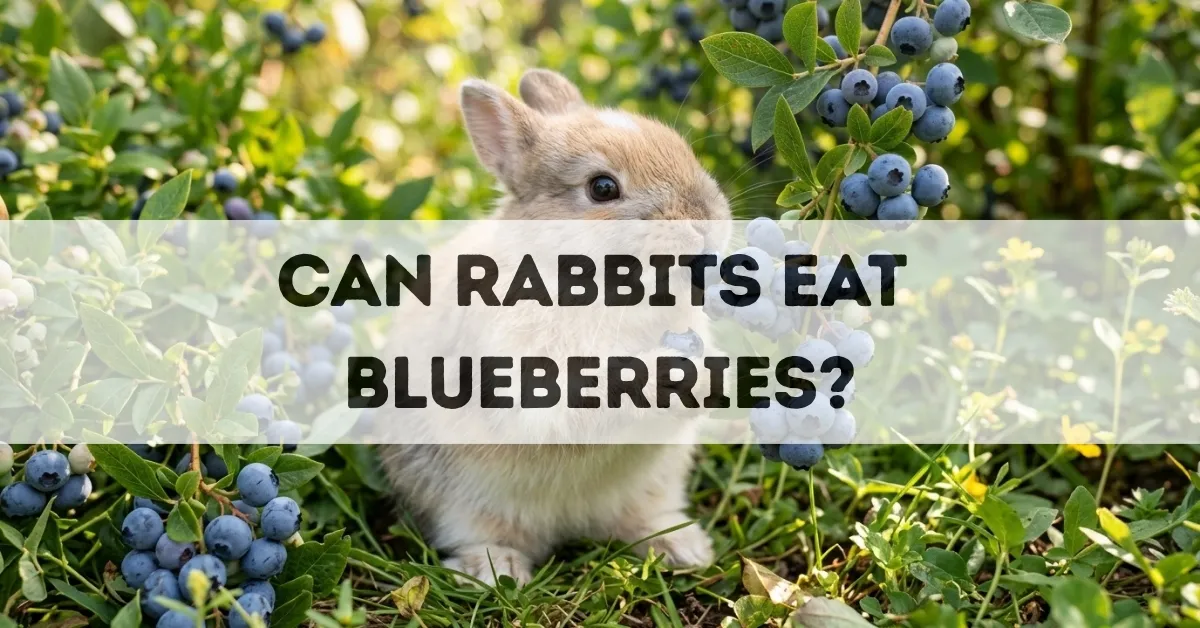
If you have a pet rabbit, you already know they are curious and fast when food appears. Blueberries smell sweet, look fun to nibble, and they are common in many homes. So it makes sense to ask: can rabbits eat blueberries?
Yes, rabbits can eat blueberries, but only as a small treat. Blueberries are not poisonous to rabbits, but they are high in natural sugar, and too much sugar can upset a rabbit’s tummy.
Think of it like this: hay is your rabbit’s real food, and blueberries are candy. A little bit once in a while is fine for most healthy adult rabbits. A big bowl of blueberries, or blueberries every day, can cause problems.
This guide explains everything in simple steps, including:
- Are blueberries safe for rabbits?
- How many blueberries can a rabbit eat?
- How often can rabbits eat blueberries?
- Can baby rabbits eat blueberries?
- Fresh vs frozen vs dried blueberries
- How to serve blueberries safely
- Signs your rabbit ate too many, and what to do
Key Takeaways (Quick and Easy)
If you only have a minute, read this:
- Are blueberries safe for rabbits? Yes, in small amounts.
- Serving size for most adult rabbits: 1 to 2 blueberries.
- How often: 1 to 2 times per week, not every day.
- Best type: fresh, washed blueberries (or thawed frozen blueberries).
- Avoid: blueberry juice, jam, muffins, pie, yogurt-coated berries, sweetened dried berries.
- Watch for: soft poop, messy bottom, less hay eating, gas pain, acting tired.
- Urgent vet call: your rabbit stops eating, stops pooping, has watery diarrhea, or looks in pain.
Quick Answer: Are Blueberries Safe for Rabbits?
Yes. Blueberries are generally safe for rabbits because they are non-toxic.
But safe does not mean “feed as much as you want.” Rabbits have a special digestive system that works best with lots of fiber. Fiber mainly comes from grass hay like timothy hay, orchard grass, or meadow hay.
Blueberries contain some fiber, but not nearly enough to support rabbit digestion. What blueberries have a lot of is sugar, and that is why the portion must stay small.
A simple rule you can remember:
- Hay is the main food.
- Leafy greens are daily.
- Pellets are measured.
- Fruit (including blueberries) is an occasional treat.
Why Rabbits Must Have Only Small Amounts of Blueberries
Rabbits are built to eat fiber all day
Wild rabbits eat grasses, weeds, and leafy plants. These foods are not sweet. They are mostly fiber.
A rabbit’s gut (their digestive system) works like a moving conveyor belt. Fiber keeps everything moving. When a rabbit eats enough hay, their stomach and intestines keep working in a healthy rhythm.
Sugar can throw off the gut balance
Inside a rabbit’s gut live helpful bacteria. These bacteria help break down food. When a rabbit eats too much sugary food, the balance can change. That can lead to:
- Soft poop or diarrhea
- Gas and belly pain
- A messy bottom from soft droppings
- Less hay eating (because sweet foods are more exciting)
- Weight gain over time
So blueberries are not “bad.” They are simply too sweet to be a regular food.
What Is in a Blueberry? (In Rabbit-Owner Terms)
People love blueberries because they are known as a “healthy fruit.” For rabbits, the story is different.
Blueberries contain:
- Water (nice, but rabbits still need fresh water daily)
- Some fiber (but much less than hay)
- Vitamins (rabbits usually get what they need from a good diet and healthy digestion)
- Plant nutrients that give blueberries their deep color
These things are fine, but they do not change the main rule:
The sugar is the limiting factor.
Benefits of Blueberries for Rabbits (Only in Treat Amounts)
Blueberries are not needed for rabbit health, but they can be useful as a tiny treat.
1. A high-value reward for training
Many rabbits love blueberries. This can help with gentle training like:
- Coming when called
- Getting comfortable with the carrier
- Staying calm during nail trims
- Learning to accept handling
Tip: Cut 1 blueberry into 4 small pieces and use the pieces as tiny rewards. Your rabbit feels like they got many treats, but the sugar stays low.
2. Fun enrichment
Rabbits enjoy using their nose to search for food. You can hide a blueberry as a “treasure”:
- Under a small pile of hay
- Inside a cardboard tube stuffed with hay
- In a safe treat puzzle made for rabbits
3. Extra variety (without changing the main diet)
Rabbits like routine, but they also enjoy variety. A tiny fruit treat once in a while can make life more interesting, as long as it stays small.
Risks of Feeding Blueberries to Rabbits
Even safe foods can cause problems if the portion is wrong.
1. Soft poop and digestive upset
This is the most common problem. Too much fruit can cause:
- Soft stools
- Smelly, sticky droppings
- More droppings stuck to fur
Normal rabbit poop looks like: small, round, dry balls.
If the poop becomes mushy or wet, it often means the diet is too rich or too sugary.
2. A messy bottom (and why it matters)
Rabbits make two kinds of droppings:
- Regular poop pellets: dry balls that go in the litter box.
- Cecotropes: soft clusters that look shiny or sticky.
Cecotropes are normal and important. Rabbits usually eat them right away. You often never see them.
When a rabbit eats too much sugar, the rabbit may make too many cecotropes, or cecotropes that are too soft. Then they can get stuck on the fur. This can lead to:
- Dirty fur and skin irritation
- Bad smell
- Risk of flystrike in warm weather (a serious emergency)
3. Weight gain over time
Blueberries are small, so people sometimes think, “How much harm can a few do?”
But fruit treats add up. If a rabbit gets fruit often, they may eat less hay and gain weight. Extra weight can cause:
- Trouble grooming (which causes mats and dirty fur)
- More stress on joints
- Increased risk during anesthesia
- Less energy and movement
4. Pesticides or dirty fruit
Blueberries should be washed well. Even if they are organic, wash them. Dirt, sprays, and residues are not good for rabbits.
5. Gulping and fast eating
Choking is not common in rabbits, but some rabbits grab treats and swallow fast. If your rabbit eats too quickly, cut the blueberry in half or into small pieces.
6. Some rabbits need stricter limits
Some rabbits should have fruit rarely, or not at all, based on a vet’s advice, including rabbits with:
- Obesity
- A sensitive stomach history
- Dental problems that affect chewing
- Older rabbits who gain weight easily
If your rabbit has a medical condition, your rabbit-savvy vet’s advice comes first.
How Many Blueberries Can a Rabbit Eat?
There is no single perfect number for every rabbit, but you can use safe guidelines.
Simple treat rule
Treats should be a small part of the diet. Most of your rabbit’s daily food should be hay and greens.
A practical blueberry guideline:
Blueberry serving chart (easy to follow)
| Rabbit size | Approx. weight | Safe serving size (occasionally) |
| Small rabbit | under 4 lb (1.8 kg) | 1/4 to 1 blueberry |
| Medium rabbit | 4 to 6 lb (1.8 to 2.7 kg) | 1 to 2 blueberries |
| Large rabbit | 8 lb+ (3.6 kg+) | 2 to 3 blueberries |
Important notes:
- These are upper limits, not daily goals.
- If your rabbit is new to fruit, start with 1/4 blueberry.
- If your rabbit also gets other treats, reduce blueberry amounts.
How Often Can Rabbits Eat Blueberries?
For most healthy adult rabbits:
- 1 to 2 times per week is a good limit.
A helpful rule:
- If you give fruit today, skip fruit tomorrow.
Also, do not stack fruits. If your rabbit had a bite of banana today, do not also give blueberries today. Keep fruit in one small treat “slot.”
Can Baby Rabbits Eat Blueberries?
It is best to be extra careful with baby rabbits.
Under 12 weeks old
For very young rabbits, it is safest to avoid fruit, including blueberries.
Baby rabbits have more delicate digestion. Sudden sugary foods can cause stomach trouble.
Older young rabbits (still growing)
If your rabbit is older and healthy, and your vet agrees, you can introduce fruit later. But go slowly:
- Start with a tiny piece, like 1/4 blueberry.
- Watch the poop and appetite for 1 to 2 days.
If you are not sure of your rabbit’s age, or your rabbit is newly adopted, it is fine to wait. Blueberries are not required.
How to Introduce Blueberries Safely (Step by Step)
If your rabbit has never eaten blueberries before, do this slowly. It protects your rabbit’s gut and helps you spot problems early.
Step 1: Offer a tiny amount
Start with:
- 1/4 blueberry (or 1/2 for a larger rabbit)
Step 2: Keep everything else the same
Do not add any other new foods that day. Only one new food at a time.
Step 3: Watch for 24 to 48 hours
Look for:
- Normal dry poop pellets
- Normal appetite, especially eating hay
- Normal energy and behavior
- No messy bottom
Step 4: Increase slightly only if everything looks normal
Next time you can offer:
- 1/2 to 1 blueberry, depending on size
If you notice soft poop or less hay eating, stop fruit treats and focus on hay.
Best Ways to Serve Blueberries to Rabbits
1. Wash the blueberries
Rinse under cool water. Rub gently with your fingers. Dry them lightly.
2. Serve plain blueberries only
Do not feed blueberries with:
- Sugar
- Yogurt
- Cereal
- Granola
- Honey
- Syrup
Rabbits need plain foods.
3. Serve at room temperature
Some rabbits do not like cold fruit, and very cold food can sometimes cause mild stomach sensitivity. Room temperature is a safe, simple choice.
4. Cut into small pieces for training
If you want to use blueberries as rewards:
- Cut 1 blueberry into 4 pieces
- Give one piece at a time
5. Use blueberries for foraging
Hide one blueberry in a safe place:
- Under hay
- In a cardboard toy
- Inside a paper bag filled with hay (supervised)
Can Rabbits Eat Frozen Blueberries?
Yes, rabbits can eat frozen blueberries, but serve them the right way.
Frozen blueberries are safe if:
- They are plain blueberries with no added sugar or flavors.
- They are thawed fully first.
How to serve frozen blueberries safely:
- Take out 1 or 2 berries.
- Let them thaw until soft.
- Pat dry if very wet.
- Offer like a fresh blueberry.
Do not give a hard frozen blueberry that is very cold. Some rabbits may eat it, but thawing is gentler and easier.
Can Rabbits Eat Dried Blueberries?
It is best to avoid dried blueberries, or use them only very rarely in tiny crumbs.
Why dried blueberries are risky:
- Drying removes water and makes the sugar more concentrated.
- Many dried blueberries from stores are sweetened with extra sugar.
- Some have preservatives that are not ideal for rabbits.
If you ever use dried blueberries:
- Make sure they are unsweetened.
- Give a piece smaller than a pea.
- Do not make it a routine.
Fresh blueberries are a much better choice.
Can Rabbits Eat Blueberry Juice, Jam, Muffins, or Yogurt-Covered Blueberries?
No. These are not safe rabbit treats.
Avoid:
- Blueberry juice (too much sugar, no fiber)
- Blueberry jam (concentrated sugar)
- Blueberry muffins, pie, or baked goods (sugar, flour, fats)
- Yogurt-covered blueberries (dairy and sugar)
If you want to treat your rabbit, stick to a tiny piece of fresh blueberry.
Can Rabbits Eat Wild Blueberries?
Yes, wild blueberries can be okay, but be careful.
Wild blueberries are safe if:
- You are sure they are real blueberries (not a look-alike plant).
- They are picked from an area that is free from sprays and chemicals.
- They are washed well.
Portion rules stay the same:
- A small rabbit may only need 1/4 to 1 berry.
- A medium rabbit may have 1 to 2 berries.
- Not every day.
Can Rabbits Eat Blueberry Leaves, Stems, or the Blueberry Plant?
The safest answer is simple:
Stick to the fruit. Do not feed blueberry leaves or stems unless a rabbit-savvy vet tells you they are safe.
Why you should avoid plant parts:
- Garden plants may have pesticide sprays or fertilizer.
- It is harder to be 100 percent sure what is safe.
- The fruit is the part most commonly discussed as a controlled treat.
If your rabbit nibbles a leaf by accident:
- Remove access to the plant.
- Monitor poop and appetite.
- Call your vet if you see any digestive trouble.
Are Blueberries “Better” Than Other Fruits for Rabbits?
Blueberries can be a convenient fruit treat because they are small. Portion control is easier than with a big slice of apple or banana.
But in rabbit terms, most fruits are similar:
- They are sugary treats
- They should be small
- They should be occasional
A simple comparison:
- Banana: very sugary, easy to overfeed
- Apple: okay as a treat, but remove seeds
- Berries (including blueberries): okay as a treat, still sugary
So yes, blueberries can fit as a treat, but they are not a “free food.”
Signs Your Rabbit Ate Too Many Blueberries (Or Too Much Fruit)
Some rabbits show trouble quickly, and others show trouble the next day. Watch for changes after treats.
Mild warning signs (reduce treats, watch closely)
- Poop is softer than normal
- A few sticky droppings are left behind
- Your rabbit seems less interested in hay
- Slight mess around the bottom
Serious warning signs (call a rabbit-savvy vet fast)
- Not eating
- Not pooping, or poops become tiny and rare
- Watery diarrhea
- Hunched posture, hiding, acting weak
- Belly looks swollen
- Loud tooth grinding (a pain sign)
Rabbits can get worse quickly if their digestion slows down. If your rabbit stops eating, do not wait.
What to Do If Your Rabbit Eats Too Many Blueberries
Maybe your rabbit stole some blueberries from a bowl, or a child fed too many. Here is what to do.
If your rabbit is acting normal (eating hay, normal poop)
- Remove all treats for now.
- Give unlimited fresh hay.
- Make sure there is fresh water.
- Offer normal leafy greens (do not add new foods).
- Watch poop and appetite for 24 to 48 hours.
If your rabbit shows any serious signs
Call a rabbit-savvy vet urgently if you see:
- Not eating
- Not pooping
- Watery diarrhea
- Strong signs of pain or bloating
Do not try to “fix it” with more treats. The goal is to protect digestion and get help when needed.
Blueberries and a Messy Bottom: What Cecotropes Are (Simple Explanation)
Many rabbit owners panic the first time they see sticky poop.
Here is the simple version:
- Rabbits make normal dry poop pellets.
- Rabbits also make cecotropes, which are soft, smelly clusters.
- Rabbits are supposed to eat cecotropes right away, because they contain nutrients.
You usually should not find cecotropes sitting in the cage.
If you do find a lot of them, or if they stick to fur, common causes include:
- Too many sugary treats (like blueberries)
- Diet too rich, not enough hay
- Overweight rabbit that cannot reach to clean properly
- Dental pain that changes eating habits
If blueberries seem to cause the problem, stop fruit treats for a while and focus on hay. If it keeps happening, talk to your vet.
Where Blueberries Fit in a Healthy Rabbit Diet
A healthy rabbit diet is simple and mostly not sweet.
The main diet for most healthy adult rabbits
- Unlimited grass hay, always available
- Timothy hay, orchard grass, meadow hay
- Leafy greens daily
- Examples: romaine, cilantro, parsley, basil, dill, arugula
- Feed a mix and rotate, and introduce new greens slowly
- Measured pellets
- Amount depends on size, age, and weight goals
- Treats, small and occasional
- Fruit, including blueberries, fits here
Important: If your rabbit does not eat much hay, do not use fruit to “make eating fun.” Low hay intake can be a sign of dental issues, stress, or illness. Hay is the base of health.
Practical Feeding Examples (Simple Schedules)
These examples help you use blueberries without overdoing it. Adjust to your rabbit’s size and health.
Example 1: Medium adult rabbit (about 5 lb or 2.3 kg)
- Tuesday: 1 blueberry (cut into pieces for training)
- Saturday: 1 blueberry hidden in hay
Example 2: Small rabbit (about 3 lb or 1.4 kg)
- Once a week: 1/2 blueberry (or 1/4 if sensitive)
Example 3: Large rabbit (10 to 12 lb or 4.5 to 5.4 kg)
- Once a week: 2 blueberries
- Or twice a week: 1 blueberry each time
Remember: if you give a different fruit treat this week, you can skip blueberries.
Frequently Asked Questions (FAQ)
Can rabbits eat blueberries every day?
It is not recommended. Daily fruit makes digestive upset and weight gain more likely. For most healthy rabbits, 1 to 2 times per week is safer.
Can bunnies eat blueberries, or is it only adult rabbits?
Yes, bunnies (rabbits) can eat blueberries, but fruit is best saved for healthy adult rabbits. For baby rabbits, it is safer to skip fruit.
Can rabbits eat blueberry skin?
Yes. Rabbits can eat the whole blueberry, including the skin, as long as it is washed.
Can rabbits eat blueberries with their regular food?
Yes, but keep it small. Do not mix blueberries into a big bowl of food. Use it as a tiny treat after your rabbit has eaten hay.
Are blueberries safer than other sweet treats?
They are safer than human desserts, but they are still a sugary fruit. Rabbits should not eat processed sweets at all.
Can I use blueberries for training every day if I give tiny pieces?
Tiny pieces are better than whole berries, but daily fruit is still not ideal. If you train often, use non-sweet rewards sometimes, like a small piece of a safe leafy green your rabbit loves, and save fruit for special moments.
My rabbit stole several blueberries, will they be okay?
Many rabbits will be fine, but watch closely for 24 to 48 hours. Give hay, remove treats, and monitor poop and appetite. If your rabbit stops eating or stops pooping, call a rabbit-savvy vet quickly.
Final Verdict: Can Rabbits Eat Blueberries?
Yes, rabbits can eat blueberries, and for most healthy adult rabbits they are a safe treat when served the right way.
The safest guidelines are simple:
- Offer fresh, washed blueberries (or thawed frozen blueberries).
- Feed 1 to 2 blueberries for most adult rabbits.
- Give blueberries 1 to 2 times per week, not daily.
- Avoid dried blueberries, sweetened blueberry products, and blueberry juice.
- Watch your rabbit’s poop and hay eating after treats.
- Call a vet if your rabbit stops eating, stops pooping, has watery diarrhea, or seems in pain.
Blueberries should never replace hay. If you keep hay as the main food and use blueberries as a small occasional reward, you can enjoy sharing a fun treat with your rabbit safely.
If you tell me your rabbit’s age, weight, and whether they are currently at a healthy weight, I can help you pick the safest blueberry portion and schedule for your specific rabbit.