








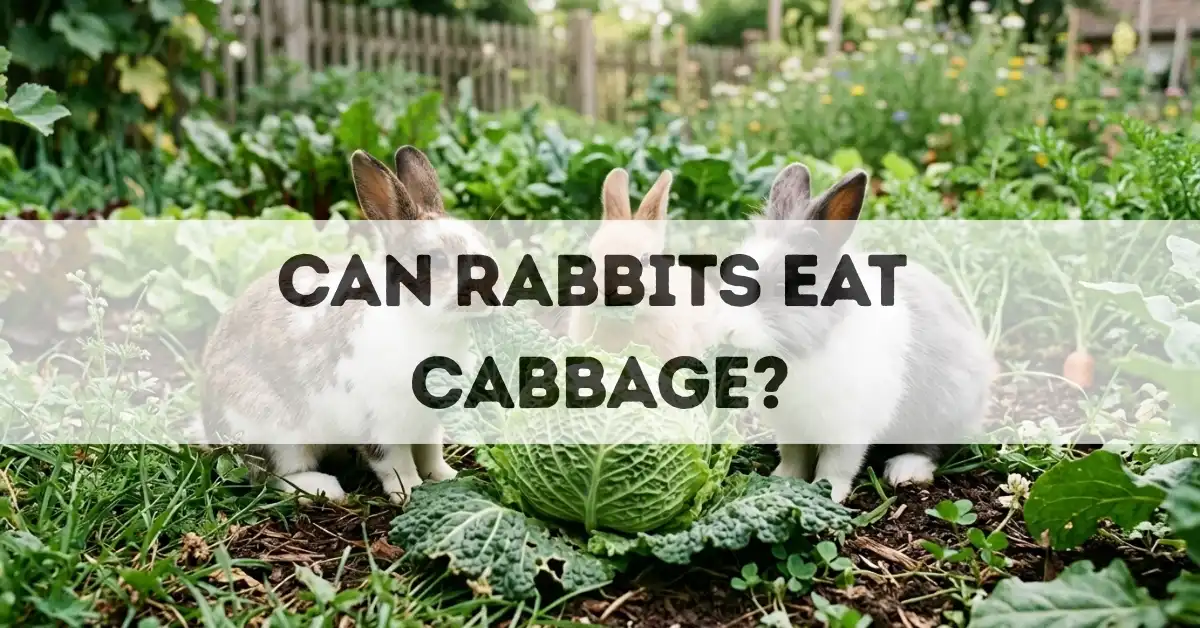
If you are a rabbit owner, you probably ask this question at some point: can rabbits eat cabbage? Cabbage is cheap, easy to find, and looks healthy. It feels natural to share it with your bunny. But rabbits have very sensitive stomachs, and not all vegetables are as simple as they seem.
The short answer is yes, rabbits can eat cabbage. However, it must be fed in small amounts and not every day. Too much cabbage can cause gas, stomach pain, and even serious digestive problems. In this complete guide, you will learn exactly how to feed cabbage safely, how much is too much, and what signs to watch for after feeding.
This guide is written in simple, clear language so you can confidently care for your rabbit. By the end, you will know whether cabbage belongs in your rabbit’s diet and how to use it safely.
Quick Answer: Can Rabbits Eat Cabbage?
Yes, rabbits can eat cabbage in small amounts. It should only be fed two to three times per week and always mixed with other leafy greens. Too much cabbage can cause gas and digestive discomfort. Baby rabbits should not eat cabbage at all. Always introduce it slowly and monitor your rabbit’s droppings and behavior.
Understanding Your Rabbit’s Digestive System
To understand why cabbage must be limited, you need to understand how a rabbit’s stomach works. Rabbits are herbivores, but they are not built like cows or goats. They are hindgut fermenters, which means most of their digestion happens in a special pouch called the cecum.
The cecum contains billions of helpful bacteria. These bacteria break down fiber from hay and turn it into nutrients. This system works very well when rabbits eat mostly grass hay. However, it becomes unstable when rabbits eat too many sugary or gas producing foods.
Rabbits cannot burp or vomit. If gas builds up inside their stomach, it stays trapped. This can cause pain, bloating, and a dangerous condition called gastrointestinal stasis. That is why certain vegetables, including cabbage, must be given carefully.
Why Cabbage Can Be Risky for Rabbits
Cabbage belongs to a vegetable family called cruciferous vegetables. This group includes broccoli, cauliflower, kale, Brussels sprouts, bok choy, and cabbage. These vegetables contain natural plant sugars and sulfur compounds.
One sugar found in cabbage is called raffinose. Rabbits cannot fully break down this sugar in the small intestine. When it reaches the cecum, bacteria ferment it and produce gas. In humans, this causes mild flatulence. In rabbits, it can cause serious discomfort.
Cabbage also contains compounds called goitrogens. These compounds can affect thyroid function if eaten in large amounts over time. Feeding cabbage occasionally is safe, but daily feeding may cause long term problems.
Nutritional Value of Cabbage for Rabbits
Cabbage is not unhealthy. In fact, it contains several helpful nutrients. The key is balance and moderation.
Cabbage contains:
- Vitamin K for blood clotting
- Vitamin C for immune support
- Vitamin B6 for metabolism
- Potassium for muscle health
- Fiber for digestion
- High water content for hydration
- Antioxidants, especially in red cabbage
The fiber in cabbage is softer than hay fiber. It helps digestion, but it cannot replace hay. Hay must always make up about 80 to 90 percent of your rabbit’s diet.
Types of Cabbage and Their Safety for Rabbits
Not all cabbage types are equal. Some are slightly easier to digest than others. Here is a simple comparison.
| Type of Cabbage | Safe for Rabbits? | Gas Risk Level | Best Feeding Frequency | Notes |
| Green Cabbage | Yes, small amounts | High | 1 to 2 times weekly | Most common and most gas producing |
| Red Cabbage | Yes, small amounts | Medium to High | 1 to 2 times weekly | Higher antioxidants |
| Savoy Cabbage | Yes, small amounts | Medium | 1 to 2 times weekly | Softer leaves |
| Napa Cabbage | Yes, small amounts | Medium | 1 to 2 times weekly | Very watery |
| Bok Choy | Yes, moderate caution | Medium | 2 to 3 times weekly | Slightly safer option |
Green cabbage tends to cause the most gas. Red cabbage has more antioxidants but still carries similar gas risk. Savoy cabbage has softer leaves and may be slightly easier to digest. Napa cabbage contains more water and can cause soft stools if overfed. Bok choy is generally tolerated better but should still be rotated.
How Much Cabbage Can Rabbits Eat?
Portion size is extremely important. Even safe foods can become dangerous if fed in large amounts.
| Rabbit Weight | Maximum Cabbage Per Serving | Weekly Limit | Notes |
| 2 to 3 lbs | 1 small leaf | 2 times | Monitor closely |
| 4 to 6 lbs | 1 to 2 leaves | 2 to 3 times | Mix with romaine |
| 7 to 9 lbs | 1/4 cup chopped | 2 to 3 times | Never daily |
| 10+ lbs | 1/2 cup chopped | 3 times | Rotate with other greens |
Cabbage should never be the only vegetable in the bowl. It should make up no more than 10 to 15 percent of the daily vegetable portion.
Step by Step Guide to Introducing Cabbage
If your rabbit has never eaten cabbage before, introduce it slowly.
Step 1: Offer a piece the size of your thumbnail.
Step 2: Wait 24 hours and observe droppings and behavior.
Step 3: If everything looks normal, offer one small leaf next time.
Step 4: Continue monitoring for gas or soft stool.
Step 5: Only include cabbage in rotation if no problems occur.
Never introduce cabbage along with another new food. Introduce one new vegetable at a time.
How to Prepare Cabbage for Rabbits
Preparation matters. Follow these steps to keep feeding safe.
First, choose fresh cabbage with crisp leaves. Avoid wilted or brown spots. Organic cabbage is preferred to reduce pesticide exposure.
Second, wash thoroughly under running water. Dirt and chemicals can hide between leaves.
Third, remove the thick core and hard stems. These parts are dense and harder to digest.
Fourth, chop into small, bite sized pieces. This reduces choking risk and helps digestion.
Fifth, serve at room temperature. Do not feed cold cabbage straight from the refrigerator.
Always serve cabbage raw. Cooked cabbage changes fiber structure and can upset digestion.
Signs Your Rabbit Is Tolerating Cabbage Well
After feeding cabbage, watch your rabbit carefully. Healthy droppings should remain round, dry, and consistent in size. Your rabbit should continue eating hay normally.
Energy levels should stay normal. There should be no hunched posture or teeth grinding. The stomach should feel soft, not tight or bloated.
If everything stays normal for 24 hours, your rabbit likely tolerates cabbage in small portions.
Signs Cabbage Is Causing Digestive Problems
Watch for warning signs.
- Smaller or fewer droppings
- Soft stool or diarrhea
- Bloated or tight stomach
- Loss of appetite
- Hunched posture
- Grinding teeth loudly
- Lethargy
If you notice these signs, stop feeding cabbage immediately.
Emergency Checklist If Rabbit Has Gas from Cabbage
If your rabbit shows signs of gas or discomfort:
- Remove all vegetables and pellets.
- Provide unlimited hay and fresh water.
- Encourage gentle movement.
- Massage belly gently if rabbit allows.
- Use simethicone only if vet approved.
- Contact an exotic animal vet if no droppings within 8 hours.
Gastrointestinal stasis can become life threatening quickly. Do not wait too long if symptoms worsen.
Can Baby Rabbits Eat Cabbage?
No, baby rabbits should not eat cabbage. Rabbits under 12 weeks old should not eat any fresh vegetables at all. Their digestive system is still developing and easily upset.
Even after 12 weeks, start with milder greens like romaine or cilantro. Wait until six months of age before introducing cabbage.
Can Rabbits Eat Cabbage Every Day?
No, cabbage should not be fed daily. Feeding it every day increases the risk of gas and thyroid issues. Rotate vegetables throughout the week.
A good weekly plan might include romaine lettuce, cilantro, parsley, basil, dill, and one day of cabbage. Variety keeps the digestive system balanced.
The Role of Hay in Preventing Cabbage Problems
Hay is the most important part of a rabbit’s diet. It keeps the gut moving properly and prevents gas buildup.
If your rabbit eats plenty of hay, the risk from small amounts of cabbage decreases. If your rabbit eats mostly pellets and vegetables, risk increases.
Unlimited fresh grass hay should always be available. Timothy hay is best for adult rabbits. Young rabbits can have alfalfa hay until six months old.
Safer Alternatives to Cabbage
If your rabbit is sensitive, choose safer greens.
- Romaine lettuce
- Green leaf lettuce
- Red leaf lettuce
- Cilantro
- Basil
- Dill
- Mint
- Watercress
- Endive
- Escarole
These vegetables are less likely to cause gas. Always rotate greens and introduce slowly.
Long Term Effects of Feeding Too Much Cabbage
Feeding cabbage daily over months may lead to thyroid stress due to goitrogens. It may also increase digestive instability.
Chronic gas episodes can increase risk of GI stasis. Repeated digestive upset weakens overall gut health.
Moderation protects your rabbit from long term health risks.
Frequently Asked Questions
1. Can rabbits eat cabbage every day?
No, cabbage should not be fed daily. It can cause gas and digestive upset. Limit to two or three times per week.
2. Can baby rabbits eat cabbage?
No, baby rabbits under 12 weeks should not eat cabbage. Wait until at least six months of age before introducing cruciferous vegetables.
3. Is red cabbage safer than green cabbage?
Red cabbage contains more antioxidants. However, it still causes gas if overfed. Feed both in moderation.
4. Does cabbage cause gas in rabbits?
Yes, cabbage contains sugars that ferment in the gut. This fermentation produces gas. Rabbits cannot easily release trapped gas.
5. How much cabbage can rabbits eat?
Most rabbits can eat one to two leaves depending on size. It should be part of a mixed salad. Never feed large bowls of cabbage alone.
6. Can rabbits eat cabbage stems?
It is better to avoid thick stems and core. These parts are harder to digest. Feed only soft leafy sections.
7. Can rabbits eat cooked cabbage?
No, rabbits should only eat raw vegetables. Cooked cabbage alters fiber and can upset digestion.
8. Can cabbage cause diarrhea?
Yes, especially if introduced too quickly. Always introduce slowly and monitor stool.
9. What vegetables are safer than cabbage?
Romaine lettuce, cilantro, basil, and dill are safer daily options. They are less likely to cause gas.
10. Can rabbits eat Napa cabbage?
Yes, in small portions. It has high water content, so overfeeding may cause soft stool.
11. Is bok choy better than cabbage?
Bok choy is often tolerated better. However, it still belongs to the same vegetable family. Feed in moderation.
12. What happens if my rabbit eats too much cabbage?
Your rabbit may develop gas or bloating. In serious cases, GI stasis can occur. Seek veterinary care if symptoms persist.
13. Can rabbits eat cabbage core?
Avoid the hard core. It is dense and difficult to digest. Stick to leafy parts.
14. Can rabbits eat cabbage from the garden?
Yes, if pesticide free. Wash thoroughly before feeding.
15. Does cabbage help rabbit teeth?
Cabbage does not help much with dental wear. Hay is essential for healthy teeth.
Final Thoughts: Should You Feed Cabbage to Your Rabbit?
Yes, rabbits can eat cabbage, but only in small amounts and not every day. It should be treated as an occasional vegetable, not a staple food. The biggest risk is gas and digestive discomfort.
Always prioritize hay as the main part of your rabbit’s diet. Introduce cabbage slowly, monitor carefully, and rotate with safer greens. Every rabbit is different, so watch how your bunny responds.
When fed properly, cabbage can be a safe and nutritious addition to a balanced rabbit diet. With knowledge, moderation, and observation, you can keep your rabbit healthy, comfortable, and happy for years to come.