









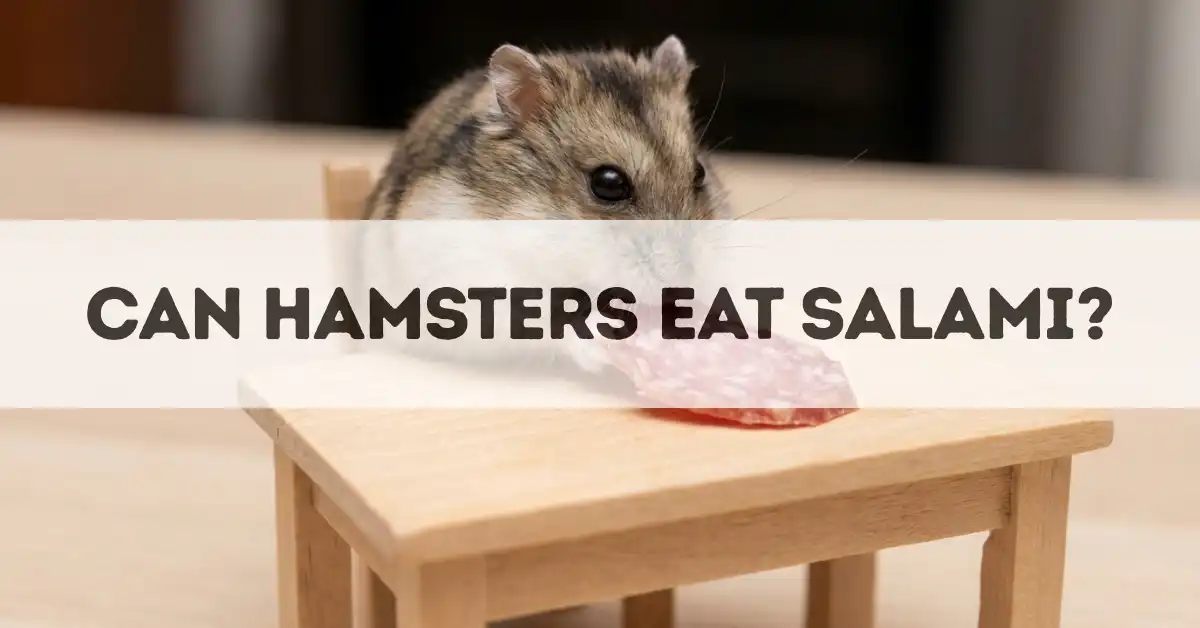
If you are wondering whether you can share a little salami with your hamster, the short answer is simple, no, hamsters should not eat salami.
Salami may seem like a tiny treat, but it is not a safe food for hamsters. It is too salty, too fatty, and too processed for such a small animal. It also often contains garlic, pepper, paprika, and other seasonings that can irritate a hamster’s stomach or cause bigger health problems.
A hamster might nibble salami if given the chance, but that does not mean it is good for them. Hamsters will often try rich foods even when those foods are not healthy.
If your hamster ate a very small bit by accident, there is usually no reason to panic right away. Still, you should remove any leftover salami, make sure fresh water is available, and watch your hamster closely for signs of stomach upset or unusual behavior.
Quick answer: Is salami safe for hamsters?
No, salami is not safe for hamsters.
It is a bad choice because it is:
- High in salt
- High in fat
- Heavily processed
- Often full of seasonings
- Easy to hide and spoil in the cage
If you want to give your hamster a special treat, choose safer options like a tiny piece of plain cooked chicken, a bit of boiled egg, or a small amount of hamster-safe vegetables instead.
Why hamster diets need to be simple and careful
Hamsters are tiny animals with tiny bodies. Because they are so small, even a little extra salt, fat, or seasoning can affect them more than it would affect a person.
A food that seems harmless to you can be too rich for a hamster. Their digestive systems are delicate, and they do best with plain, simple foods that match their nutritional needs.
A healthy hamster diet is usually based on:
- A high-quality hamster food mix or pellets
- Small amounts of safe fresh vegetables
- Occasional hamster-safe protein
- Very small treats now and then
- Fresh, clean water at all times
That is why processed human foods are usually a poor choice. Salami is one of those foods that sounds small and harmless, but it brings several risks with it.
What is salami?
Salami is a cured and processed meat, usually made from pork, beef, turkey, or a mix of meats. It is not plain fresh meat. It is made to be flavorful, salty, and long-lasting for people.
Most salami contains ingredients like:
- Salt
- Fat
- Spices
- Black pepper
- Paprika
- Garlic
- Preservatives such as nitrates or nitrites
Salami is often dried, cured, fermented, or smoked. That process changes the meat and makes it much more intense than plain cooked chicken or turkey.
So even though salami is meat, it is not the same as offering a hamster a tiny bit of plain, unseasoned cooked meat. The extra salt, grease, and seasonings are what make salami a bad choice.
Why salami is unsafe for hamsters
There are several reasons salami is not suitable for hamsters.
Too much salt
This is one of the biggest problems.
Salami is a salty food. It is cured with salt to preserve it and improve the taste. Hamsters do not need that much sodium, and their little bodies are not built to handle it well.
Too much salt can lead to:
- Increased thirst
- Dehydration
- Stress on the kidneys
- General body imbalance
Because hamsters are so small, even a tiny piece of salami can contain more salt than is sensible for them.
Too much fat
Salami is also very fatty. Hamsters do need some fat in their diet, but not the heavy, greasy kind found in processed meats.
Too much fat can contribute to:
- Weight gain
- Obesity
- Poor diet balance
- Reduced interest in healthier foods
This is especially important if your hamster already eats seeds, nuts, or other rich treats. Adding salami on top of that can make the diet too heavy very quickly.
Preservatives and processing
Salami is not a natural hamster food. It is heavily processed and often contains preservatives that are made for human food storage, not for tiny pets.
These may include:
- Nitrates
- Nitrites
- Flavor enhancers
- Other additives
Even if these ingredients do not always cause immediate illness, there is no good reason to give them to a hamster when much safer foods are available.
Garlic, onion, and strong spices
Many types of salami contain seasonings that are too strong for hamsters. Garlic and onion are especially concerning. Even if the amount seems small, they are not ingredients you want in your hamster’s diet.
Other spices can also irritate a hamster’s stomach. What tastes good to people can be too harsh for a pet with such a sensitive digestive system.
Risk of digestive upset
Hamsters have delicate stomachs. Rich, greasy, processed foods can upset digestion.
A hamster that eats salami may develop:
- Soft stools
- Diarrhea
- Stomach discomfort
- Loss of appetite
- Low energy
Even mild digestive problems should be taken seriously in a hamster, because they can become weak faster than larger pets.
Risk of spoilage in the cage
This is a problem many owners forget.
Hamsters often pouch food in their cheeks and hide it in bedding, corners, or sleeping areas. Dry food stores fairly well, but salami does not.
If your hamster hides salami in the cage, it can:
- Go bad quickly
- Smell unpleasant
- Grow bacteria
- Make the enclosure dirty
- Be eaten later after it has spoiled
That is another important reason salami should stay out of the cage.
Can hamsters eat a tiny piece of salami?
It is still not recommended.
Some owners ask if just one little crumb is okay. The truthful answer is that a very tiny accidental bite may not always cause obvious harm, but that does not make salami safe.
There is no useful safe serving of salami for hamsters. The safest amount is none.
A crumb may pass without causing a visible problem, but a larger piece is much more likely to cause digestive upset, thirst, or stress on the body. Since hamsters have no real benefit from eating salami, there is no reason to take the risk.
Can hamsters lick salami?
It is best not to let them.
Even a lick can expose your hamster to:
- Salt on the surface
- Grease
- Spices
- Preservatives
A quick accidental lick is unlikely to cause a serious emergency in most cases, but salami should still be kept out of reach. It is not something you should offer on purpose.
What happens if a hamster eats salami?
The result depends on a few things:
- How much was eaten
- How big your hamster is
- What ingredients were in the salami
- Whether your hamster is already old, young, or unwell
A hamster that eats a tiny amount may show no symptoms at all. But some hamsters may react with stomach upset or other signs that the food did not agree with them.
Possible mild signs
Watch for:
- Extra thirst
- Softer droppings
- Mild stomach upset
- Slight drop in appetite
More serious warning signs
Contact a vet if you notice:
- Diarrhea
- A wet or dirty rear end
- Lethargy
- Refusing food
- Refusing water
- Bloated stomach
- Hunched posture
- Trouble breathing
- Weakness
- Unusual quietness
- Sudden change in behavior
These symptoms matter because hamsters can go downhill faster than people expect. If your hamster looks unwell, do not wait too long to ask for professional advice.
What to do if your hamster ate salami
If your hamster got into salami by accident, try to stay calm and follow these steps.
1. Remove any remaining salami
Take the salami away right away so your hamster cannot eat more.
2. Check how much was eaten
Try to estimate whether it was a tiny crumb, a small nibble, or a larger chunk. This helps you judge how closely you need to monitor your hamster.
3. Provide fresh water
Because salami is salty, your hamster may become thirstier than usual. Make sure the water bottle or bowl is clean and full.
4. Search the cage for hidden pieces
Check the bedding, nest, and food stash areas. Hamsters often hide food, and any hidden salami should be removed before it spoils.
5. Monitor closely for 24 to 48 hours
Watch your hamster for:
- Changes in droppings
- Tiredness
- Lack of appetite
- Bloating
- Drinking more than usual
- Signs of pain or discomfort
6. Contact a vet if symptoms appear
A small animal vet or exotic vet is best. Call sooner rather than later if your hamster:
- Ate a large amount
- Has diarrhea
- Stops eating
- Stops drinking
- Looks weak
- Has trouble breathing
- Seems bloated
- Is sitting hunched and not moving much
Can different types of hamsters eat salami?
No type of pet hamster should eat salami.
Syrian hamsters
No. Syrian hamsters are larger than dwarf species, but they still should not eat salty, fatty processed meats.
Dwarf hamsters
No. Dwarf hamsters are especially small, so even a little salami can have a bigger effect on their bodies.
Roborovski hamsters
No. Robos are tiny and should not be given rich human snack foods like salami.
Baby hamsters
Absolutely not. Baby hamsters are much more delicate and should never be given processed meats.
Can hamsters eat turkey salami, cooked salami, or deli meat?
These are common follow-up questions, and the answer is still no.
Can hamsters eat turkey salami?
No. Turkey salami is still salami. It is processed, salty, fatty, and seasoned. Changing the meat type does not make it safe.
Can hamsters eat cooked salami?
No. Cooking salami does not remove the salt, fat, preservatives, or spices that make it unsuitable.
Can hamsters eat deli meat?
Usually no. Most deli meats are high in sodium and often contain preservatives and flavorings that are not appropriate for hamsters.
Can hamsters eat pepperoni?
No. Pepperoni has many of the same problems as salami. It is salty, spicy, fatty, and processed.
Can hamsters eat sausage or bacon?
No. These are also processed meats that are too rich and too salty for hamsters.
Why salami is worse than plain cooked meat
Sometimes people think, “It is meat, so it should be fine.”
That is understandable, but salami is very different from plain cooked meat.
Plain cooked chicken or turkey can sometimes be offered in a tiny amount if it is:
- Fully cooked
- Plain
- Unseasoned
- Unsalted
- Free from oil, butter, garlic, onion, and sauces
Salami is the opposite of that. It is:
- Cured
- Salty
- Fatty
- Seasoned
- Preserved
- Processed
So while plain unseasoned meat may be an occasional protein option, salami is not.
What meat can hamsters eat instead?
If you were thinking about salami because you wanted to offer a protein treat, there are safer choices.
Good occasional options may include:
- Plain cooked chicken
- Plain cooked turkey
- A tiny bit of boiled egg
- A tiny amount of plain scrambled egg with no butter or seasoning
- Dried mealworms, if suitable for your hamster
These should still be occasional foods, not everyday snacks.
When giving any protein treat:
- Offer only a very small amount
- Remove leftovers quickly
- Watch for soft stools or changes in appetite
- Keep the rest of the diet balanced
Better treats than salami for hamsters
There are many safer and healthier treats you can give instead of salami.
Safe vegetable treats
Hamsters often enjoy tiny portions of vegetables such as:
- Cucumber
- Broccoli
- Zucchini
- Bell pepper
- Carrot
- Peas
Introduce new vegetables slowly and in very small amounts. Too much fresh food at once can cause stomach upset.
Safe fruit treats in very small amounts
Fruit should be limited because of the sugar, especially for dwarf hamsters, but small bits of some fruits may be okay occasionally.
Examples include:
- Apple, with no seeds
- Blueberry
- Strawberry
- Banana, in a tiny amount
Dry treat options
Some simple dry treats can also work in moderation:
- Oats
- Pumpkin seeds
- Sunflower seeds
- Plain whole grain cereal with no added sugar
Even healthy treats should stay small. Hamsters need variety, but they do not need large treat portions.
How to choose a safe treat for a hamster
Before giving your hamster any food, it helps to ask a few simple questions.
Is it plain?
The fewer ingredients, the safer it usually is.
Is it low in salt and sugar?
Hamsters do not need salty or sugary human snack foods.
Is it unseasoned?
Garlic, onion, spices, sauces, and flavor coatings are not a good idea.
Is it fresh or only lightly processed?
Whole foods are usually a better choice than processed foods.
Could it spoil if hidden?
If the food can go bad quickly in the cage, it is risky.
Is the portion tiny?
Even safe foods should be offered in tiny amounts.
Salami fails almost every one of these checks.
Why some people think salami might be okay
There are a few reasons owners sometimes assume salami is harmless.
“My hamster likes it”
Hamsters may enjoy rich and fatty foods, but liking a food does not mean it is healthy.
“It is only meat”
Salami is not plain meat. It is processed meat with lots of extras that are not suitable for hamsters.
“It was just a tiny bite”
A tiny bite may not always cause obvious symptoms, but that still does not make it a smart treat.
“Hamsters eat animal protein sometimes”
That is true, but there is a huge difference between a safe protein source and a slice of cured deli meat.
Common myths about hamsters and salami
Myth: Salami is fine because it has protein
Truth: Protein does not cancel out the salt, fat, preservatives, and seasonings.
Myth: If my hamster ate some once and was fine, it must be safe
Truth: A hamster may seem okay after one small bite, but repeated feeding can still be harmful.
Myth: Tiny pets can have tiny bits of any human food
Truth: Tiny pets are actually more sensitive, not less.
Myth: Turkey salami is a healthier choice for hamsters
Truth: It may be marketed as lighter for people, but it is still processed and unsuitable for hamsters.
Can salami cause long-term problems in hamsters?
If salami is given more than once, yes, it can contribute to long-term health issues.
Possible problems include:
- Weight gain
- Poor overall nutrition
- Too much salt in the diet
- Digestive irritation
- Exposure to unnecessary additives
- More risk of spoiled food hidden in the cage
One accidental nibble is different from feeding salami regularly. The bigger concern is when owners start treating processed meats as normal treats. That is not healthy for hamsters.
Why processed meats are a bad idea in general
Salami is not the only meat hamster owners should avoid.
Other processed meats that are not suitable include:
- Pepperoni
- Bacon
- Ham with added salt
- Sausage
- Jerky with seasonings
- Most deli slices
- Smoked meats
These foods tend to share the same problems:
- High sodium
- High fat
- Additives
- Spices
- Preservatives
- Spoilage risk
If you are not sure about a meat product, the safest rule is simple. If it is processed, seasoned, smoked, cured, or salty, do not give it to your hamster.
Here is a simple overview.
| Food | Safe for hamsters? | Why or why not |
| Salami | No | Too salty, fatty, processed, and seasoned |
| Turkey salami | No | Still processed and high in sodium |
| Pepperoni | No | Spicy, salty, fatty |
| Deli meat | Usually no | High sodium and preservatives |
| Plain cooked chicken | Sometimes, tiny amount | Only if unseasoned and unsalted |
| Plain cooked turkey | Sometimes, tiny amount | Only if plain and fully cooked |
| Boiled egg | Sometimes, tiny amount | Good occasional protein in a very small portion |
Signs your hamster ate something unsuitable
Whether it was salami or another bad food, it helps to know the warning signs.
Watch for:
- Loose stools
- Diarrhea
- Wet fur around the rear
- Tiredness
- Hiding more than usual
- Refusing food
- Drinking much more water
- Bloated belly
- Hunched sitting posture
- Poor grooming
- Weakness
A hamster that is acting clearly unwell should be seen by a vet as soon as possible.
How often should hamsters get treats?
Treats should only be a small part of a hamster’s diet.
Most of what your hamster eats should come from a balanced hamster food mix or pellets. Treats are extras, not the main event.
A simple approach is:
- Main diet, hamster food
- Fresh additions, tiny amounts of safe vegetables
- Protein extras, only once in a while
- Fruit, very sparingly
- Rich or processed human foods, avoid
This makes feeding easier and safer.
Best practice for feeding hamsters safely
If you want to make good food choices for your hamster, keep things simple.
Do
- Feed a good hamster food mix or pellet diet
- Offer tiny amounts of safe vegetables
- Give plain protein foods only occasionally
- Introduce new foods one at a time
- Remove perishable leftovers quickly
- Watch for changes in droppings or appetite
Do not
- Feed salami
- Feed pepperoni or other processed meats
- Give salty or greasy snacks
- Offer foods with garlic, onion, or spices
- Leave perishable food hidden in the cage
- Assume human snack foods are safe for small pets
Frequently asked questions
Can hamsters eat one small piece of salami?
No, it is not recommended. A tiny accidental bite may not always cause visible problems, but salami is still not a safe food for hamsters.
Is salami toxic to hamsters?
Salami is not always toxic in the same way as a truly poisonous food, but it can still be harmful. The salt, fat, preservatives, and seasonings make it unsafe. Some ingredients, such as garlic or onion, can be more serious concerns.
Can hamsters eat salami if it is plain?
Salami is almost never truly plain. Even simple salami is still cured, salty, and processed, so it is not a good choice.
Can hamsters eat salami pizza topping?
No. Salami on pizza is even worse because it may also come with oil, cheese residue, and more seasoning.
Can hamsters lick salami grease?
No. It is best to keep them away from salami grease because it is rich, salty, and not suitable for their stomach.
Can dwarf hamsters eat salami?
No. Dwarf hamsters are especially small, so salty processed meats are even less suitable for them.
Can Syrian hamsters eat salami?
No. Syrian hamsters are bigger, but salami is still unsafe for them.
What should I do if my hamster stole salami?
Remove the salami, check for hidden pieces, offer fresh water, and monitor your hamster for 24 to 48 hours. Contact a vet if you notice diarrhea, weakness, bloating, or loss of appetite.
What is a safer protein treat for hamsters?
A tiny amount of plain cooked chicken, plain cooked turkey, boiled egg, or dried mealworms may be safer choices.
Can hamsters eat salami?
No, hamsters should not eat salami.
Salami is a poor choice for hamsters because it is:
- Too salty
- Too fatty
- Too processed
- Often seasoned with unsafe ingredients
- Hard on a hamster’s digestive system
- Easy to hide and spoil in the cage
If your hamster ate a tiny bit by accident, do not panic. Remove any leftovers, make sure fresh water is available, and watch for signs of stomach upset or unusual behavior. If your hamster seems sick, contact a vet promptly.
The safest approach is simple. Skip the salami and choose a hamster-friendly treat instead. A tiny piece of safe vegetable or a very small amount of plain cooked unseasoned protein is a much better option for your little pet.
For general educational purposes only, this article is not a substitute for veterinary advice. If your hamster seems unwell after eating salami, contact a small animal or exotic vet.